Gaming has transformed dramatically since it first emerged in the 1970s. What started as basic pixelated graphics has grown into a rich landscape of immersive experiences, including virtual reality. This article will take a closer look at how gaming has evolved through the years, highlighting the key milestones that have shaped the industry.
Key Takeaways
- Gaming began with simple arcade games and evolved into home consoles and PCs.
- The Golden Age of Gaming introduced iconic franchises and online gameplay.
- 3D graphics changed the gaming landscape, leading to more realistic experiences.
- Mobile gaming has made gaming accessible to a broader audience, impacting traditional formats.
- Virtual reality is the next big thing, promising even more immersive experiences.
The Birth of Gaming
Gaming's origins are pretty interesting, going way back to the mid-20th century when computer scientists started messing around with interactive electronic games. It's wild to think how far we've come since then. From clunky machines to the sleek devices we have now, it's been a journey.
Early Arcade Games
Arcades were the place to be back in the day. Imagine walking into a room filled with flashing lights and the sounds of bleeps and bloops. Games like "Pac-Man" and "Space Invaders" were huge. People would line up just to get a shot at the high score. These games weren't just entertainment; they were a cultural phenomenon.
The Rise of Home Consoles
Then came the home consoles, and everything changed. Suddenly, you didn't have to leave your house to play video games. The Atari 2600 was a game-changer, bringing titles like "Pong" into living rooms everywhere. It's kind of funny to think about how simple those early games were, but they opened the door for everything that followed. The evolution of gaming graphics is a testament to how far we've come.
The Impact of Personal Computers
Personal computers also played a big role in the early days of gaming. While consoles were focused on gaming, PCs offered a broader range of possibilities. Games like "Zork" and "The Oregon Trail" showed that gaming could be more than just fast-paced action; it could also be about storytelling and strategy.
It's easy to forget how revolutionary these early games were. They weren't just a way to pass the time; they were a glimpse into the future of entertainment. They sparked the imaginations of a generation and paved the way for the gaming industry we know today.
The Golden Age of Gaming
The late 80s and early 90s... what a time to be alive if you were a gamer! It felt like every other month there was some new, amazing game coming out that pushed the boundaries of what we thought was possible. This era really cemented gaming as a major form of entertainment. It's hard to overstate the impact this period had on shaping the industry we know today. Let's take a look at some key aspects of this golden age.
Iconic Game Franchises
This was the era where so many of the franchises we still love today really took off. Think about Super Mario Bros., a game that wasn't just a game, it was a cultural phenomenon. Then you had stuff like The Legend of Zelda, Metroid, and Final Fantasy. These weren't just games; they were epic adventures that captured our imaginations. These franchises set the standard for storytelling and gameplay, and they continue to influence game design even now.
Advancements in Graphics
We went from 8-bit to 16-bit, and it was a HUGE deal. Suddenly, characters had more detail, colors were more vibrant, and worlds felt more alive. It's easy to laugh at the pixelated graphics now, but back then, it was mind-blowing. The jump in graphical fidelity made games more immersive and engaging.
The Emergence of Online Gaming
While it wasn't quite the online gaming we know today, this era saw the very beginnings of it. Dial-up modems and early online services like Sega NetWork System allowed players to connect and compete. It was clunky, slow, and expensive, but it was also revolutionary. It showed us the potential for connecting with other players and laid the groundwork for the massive online multiplayer experiences we have now.
This period was a breeding ground for innovation. Developers were constantly experimenting with new ideas, pushing the limits of the available technology. It was a time of creativity and excitement, and it's no wonder so many people look back on this era with such fondness.
The Transition to 3D Worlds
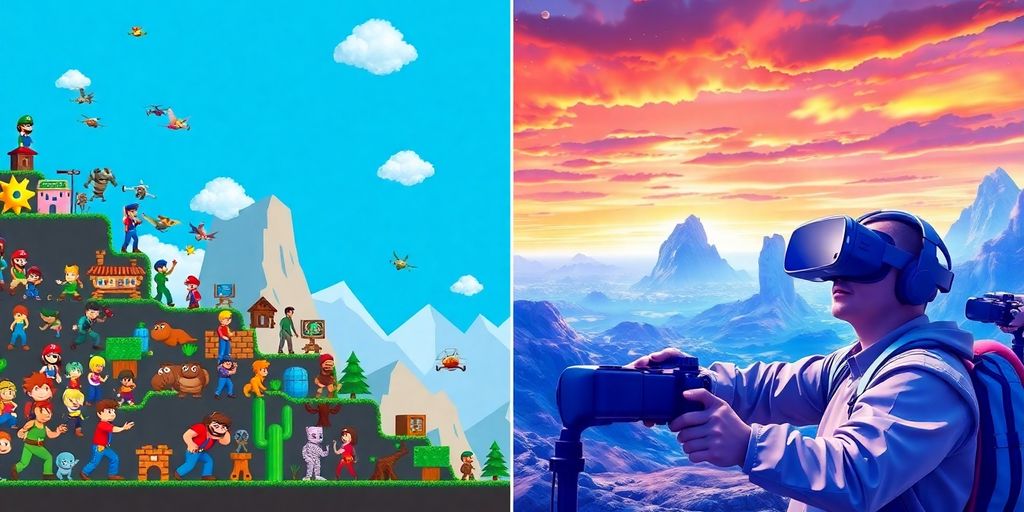
Things really started changing in the 90s. Before that, games were mostly 2D, but then 3D graphics came along and changed everything. It wasn't just a small change; it was a total shift in how games looked and felt.
The Introduction of 3D Graphics
The move to 3D was a huge deal. Games like Doom showed what was possible with a first-person view and environments that felt real. It was a big step away from the flat, 2D games we were used to. Consoles such as the Sony PlayStation and Sega Saturn could handle more detailed 3D graphics, making games more immersive.
Influential Titles of the Era
There were a few games that really stood out during this time:
- Super Mario 64: Showed how to explore big 3D worlds.
- Tomb Raider: Lara Croft became a gaming icon.
- The Legend of Zelda: Ocarina of Time: Set a new standard for adventure games.
These games weren't just fun; they showed everyone what 3D gaming could be. They pushed the limits and inspired other developers.
The Role of Game Engines
Game engines became super important during this transition. They gave developers the tools they needed to create 3D worlds. Here's why they mattered:
- Simplified Development: Engines handled a lot of the complicated stuff, like rendering and physics.
- Allowed for Experimentation: Developers could try new things without starting from scratch.
- Improved Graphics: Engines helped make games look better and run smoother.
Game engines were like the secret ingredient that made 3D gaming possible. They made it easier for developers to create the games we all wanted to play.
The Era of Mobile Gaming
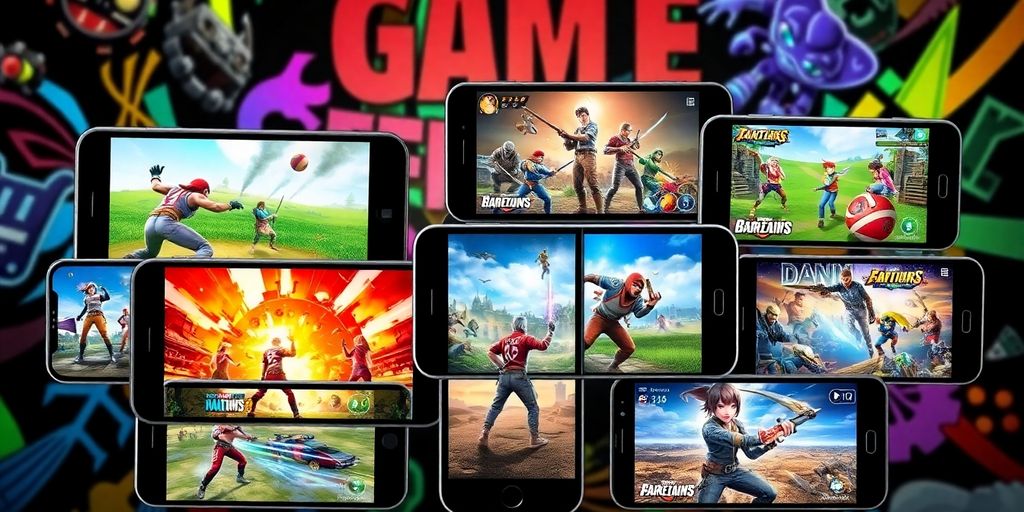
The late 2000s brought a huge change to gaming with the rise of smartphones. Suddenly, everyone had a potential gaming device in their pocket. It wasn't just for hardcore gamers anymore; your grandma could be playing too!
The Rise of Smartphones
Smartphones made gaming way more accessible. You didn't need a console or a PC; you just needed a phone. This lowered the barrier to entry and opened up gaming to a much wider audience. The app stores made it super easy to find and download games, and many were free, or at least cheap, to start. This accessibility was a game-changer.
Casual Gaming Revolution
Mobile gaming really took off with the rise of casual games. These were games that were easy to pick up and play, often with simple mechanics and short play sessions. Think games like Angry Birds, Candy Crush Saga, and Temple Run. These games became massive hits, appealing to people who had never considered themselves gamers before. They were perfect for playing on the bus, waiting in line, or just killing time.
Impact on Traditional Gaming
Mobile gaming definitely had an impact on traditional gaming. Some people worried that it would kill consoles and PC gaming, but that didn't happen. Instead, it created a new market and a new type of gamer. It also pushed traditional game developers to think about mobile platforms and how to adapt their games for smaller screens and touch controls. Some traditional franchises even made their way to mobile, with varying degrees of success.
Mobile gaming showed that gaming could be for everyone, not just a niche audience. It changed the way games were designed, distributed, and played, and it continues to be a major force in the gaming industry today.
The Advent of Virtual Reality
VR has really changed the game, literally. It's not just about sitting in front of a screen anymore; it's about being in the game. The tech has come a long way, and it's still getting better. It's wild to think about where it might go next.
Key VR Technologies
VR headsets are the main thing, of course. The Oculus Rift (now Meta Quest), HTC Vive, and PlayStation VR were some of the first to make a splash. These headsets use screens and sensors to create a 3D experience that responds to your head movements. But it's not just the headsets; controllers are also important. They let you interact with the virtual world, grab things, and move around. Haptic feedback is also becoming more common, which lets you feel what you're touching in the game. It adds another layer of realism.
Popular VR Games
Some games have really shown what VR can do. "Beat Saber" is a fun rhythm game where you slash blocks with lightsabers. "Half-Life: Alyx" is a full-fledged adventure game that's only playable in VR, and it's amazing. "Resident Evil 7" and "Resident Evil Village" also have VR modes that make them way scarier. These games show that VR can be used for all sorts of different genres.
The Future of Immersive Gaming
VR is still pretty new, so there's a lot of room to grow. Wireless headsets are becoming more common, which makes the experience less clunky. Resolution is also getting better, so the images are sharper and more realistic.
I think the biggest thing will be when VR becomes more social. Imagine being able to hang out with your friends in a virtual world, playing games together, or just chatting. That's when VR will really take off.
The Influence of Streaming and eSports
The Growth of Game Streaming
Game streaming has totally changed how people watch and engage with video games. It's not just about watching someone play; it's about being part of a community. Platforms like Twitch and YouTube Gaming have become huge, letting streamers build audiences and interact with them in real-time. This has created a whole new career path for gamers, and it's also a great way for developers to show off their games.
Think about it: you can watch someone play a game before you buy it, learn new strategies, or just hang out with other fans. It's like watching sports, but you can chat with the players and other viewers. The rise of game streaming has also led to more people getting into gaming, since it's so easy to watch and learn.
Competitive Gaming Culture
Competitive gaming, or eSports, has exploded in popularity. What started as small tournaments has turned into massive events with huge prize pools and millions of viewers. Games like League of Legends, Counter-Strike, and Dota 2 are at the forefront, with professional players competing at the highest level.
Here's a quick look at some of the top eSports games by viewership:
| Game |
Estimated Viewers (Millions) |
| League of Legends |
150 |
| Counter-Strike |
100 |
| Dota 2 |
75 |
These tournaments aren't just for hardcore gamers; they're entertainment for everyone. The skill and strategy involved are impressive, and the stakes are high. This has created a whole new level of competition and professionalism in the gaming world.
Monetization and Sponsorships
Game streaming and eSports have opened up new ways for people to make money in the gaming world. Streamers can earn money through subscriptions, donations, and ads. Professional eSports players can earn salaries, prize money, and sponsorships.
It's not just about playing games; it's about building a brand. Streamers and players need to be entertaining, engaging, and consistent to build a following and attract sponsors. This has created a whole new industry around gaming, with companies investing millions of dollars in sponsorships and advertising.
Here are some common ways streamers and eSports players make money:
- Subscriptions: Viewers pay a monthly fee to support the streamer.
- Donations: Viewers can donate money directly to the streamer.
- Sponsorships: Companies pay streamers and players to promote their products.
- Advertising: Streamers and players earn money from ads shown on their streams or videos.
The Role of Community in Gaming
Gaming isn't just about the games themselves; it's also about the people you play with and the connections you make. The sense of community has become a huge part of the overall experience, shaping how we interact with games and each other.
Online Multiplayer Experiences
Online multiplayer has completely changed the game, literally. It's not just about playing against others; it's about playing with them. Think about it:
- Cooperative games where you need to work together to win.
- Massively multiplayer online games (MMOs) where you can team up with hundreds or even thousands of other players.
- Even competitive games often involve teamwork and communication.
These shared experiences create bonds and friendships that can extend beyond the game itself. It's pretty cool to see how people from all over the world can come together and form meaningful relationships through gaming.
Fan Creations and Mods
Gaming communities aren't just passive consumers; they're active creators. Mods, fan art, and custom content are a huge part of many games. This allows players to express their creativity and contribute to the games they love.
The Importance of Social Interaction
Gaming can be a really social activity, even if you're playing from your couch. It's a way to connect with friends, meet new people, and share a common interest. Plus, it can be a great way to unwind and de-stress after a long day. It's not just about escapism; it's about building relationships and being part of something bigger than yourself.
Here's a quick look at how social interaction impacts gaming:
| Aspect |
Impact |
| Teamwork |
Improves communication and problem-solving skills. |
| Shared Experiences |
Creates lasting memories and strengthens bonds. |
| Community Support |
Provides a sense of belonging and encouragement. |
| Competition |
Motivates players to improve and strive for excellence. |
Wrapping It Up
In summary, the journey of gaming has been nothing short of incredible. From those early days of simple graphics to the rich, immersive worlds we can explore today, it’s clear that technology has driven this evolution. As we look ahead, it’s exciting to think about what’s next. With advancements in virtual reality and other tech, the way we play games is bound to change even more. Who knows what the future holds for gamers? One thing’s for sure: it’s going to be an adventure.
Frequently Asked Questions
What are the earliest video games?
The first video games were simple and often played on arcade machines. Games like Pong and Space Invaders were among the first popular titles.
How did home consoles change gaming?
Home consoles allowed people to play video games at home instead of in arcades. This made gaming more accessible to everyone.
What was the impact of personal computers on gaming?
Personal computers introduced more complex games and allowed for better graphics and gameplay. They also opened the door for online gaming.
What caused the rise of mobile gaming?
The introduction of smartphones made it easy for people to play games anywhere. This led to a boom in casual gaming, where people could enjoy games in short bursts.
What is virtual reality in gaming?
Virtual reality (VR) is a technology that creates a fully immersive gaming experience. Players wear headsets that make them feel like they are in the game.
How has streaming affected the gaming community?
Streaming has allowed gamers to share their gameplay with others. It has created a culture of watching and playing games together, leading to the rise of eSports.


